5 must-see hotspots in Kilimanjaro, Serengeti and the great outdoors
Encountering the wonders of wildlife in the bosom of Africa’s great outdoors.
Safari in Mikumi National Park
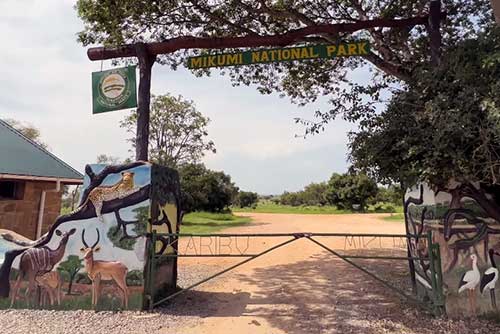
Full Day Safari in Mikumi National Park from Zanzibar including Flights
Mikumi National Park is the fourth largest national park in Tanzania and borders the northern boundary of the Selous Game Reserve, Africa’s largest protected area. It’s also only a few hours from Dar es Salaam, Tanzania’s largest city.
making it an easy stopover for tourists who aren’t staying long.
The proximity to the city doesn’t mean that the wildlife is any less abundant than elsewhere. The so-called Big Five (lion, elephant, rhino, cheetah, and buffalo) are easy to spot, as are warthogs, yellow monkeys, hyenas, and even hippos bathing in the mud. More than 400 species of birds, including eagles, bats, and waterfowl, can be spotted, especially during the rainy season, and if you head to the water’s edge, you’ll be greeted by countless birds flapping their wings. Baobab trees and rare palms stand majestically along the main road in the west, adding to the exotic feel.
Kilimanjaro hiking
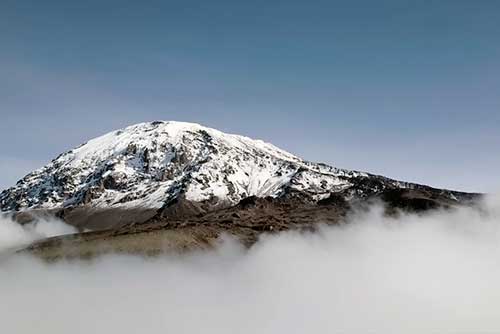
Kilimanjaro climb, Machame Route
Kilimanjaro, located in northeastern Tanzania, is the highest peak on the African continent and the largest dormant volcano on Earth. Its snow-capped peak rising on massive steps is one of Africa’s most iconic landscapes. Mount Kilimanjaro is a national park that is home to endangered plants and animals.
Kilimanjaro, which means “surrounded by mysterious clouds” in Swahili, and its highest peak, Uhuru Peak, was named after Tanzania’s independence and means “freedom”. There are three peaks, Kibo, Mawenzi, and Shira, with Kibo living up to its name with a glistening white ice cap.
The trek to Kilimanjaro starts in the rainforest and continues through moorland to ice and glaciers. It was designated a UNESCO World Heritage Site in 1987 in recognition of its outstanding natural values and need for conservation.
Kilimanjaro Coffee Plantation, Tanzania
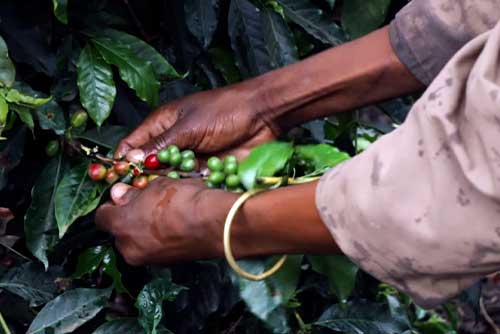
kilimanjaro coffee tour and waterfalls
Near Kilimanjaro is an area called Moshi, which is mostly used for agriculture.
Coffee plantations are particularly famous, and other crops such as bananas and corn are grown and sold.
A local coffee farmer will take you on a tour and tell you all about the origins and history of coffee and how it’s made.
You can even pick your own red-ripe coffee beans on the farm, and after the farm visit, you can visit the roasting factory to see the beans being roasted and processed in the traditional Tanzanian way. At the end of the process, you’ll get to taste the coffee made from the freshly roasted beans.
*About
Introduced to Tanzania from Ethiopia more than 400 years ago, coffee was cultivated in earnest under German rule in the 18th century.
It earned the nickname ‘royal coffee’ and has long been Tanzania’s main export.
Serengeti National Park

Serengeti & Ngorongoro fly in safari
Tanzania’s Serengeti is known as the kingdom of wildlife, and is a stunning place to experience the endless wonders of Mother Nature.
On this trip, we’ll explore the beauty of the Serengeti and the wildlife stories that unfold within it.
On a magical safari, you’ll be able to observe a wide variety of wildlife and get a glimpse into their stories. Did you know that the word ‘safari’ also means ‘journey’ in Swahili, and nowhere is this more true than here in Serengeti National Park?
The great migration and congregation of animals in the Maasai Mara is one not to be missed, and you may even see some rare animals.
In the Serengeti, you can also follow the natural flow of animal migration, and you’ll return home with a sense of the natural wonders and beauty of the wildlife.
Ruaha National Park, TANZANIA
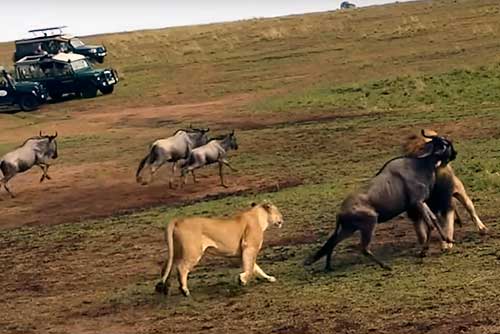
Ruaha National Park And Mikumi National Park Budget Safari 6 Days 5 Nights
That moment when you make eye contact with a lion
Ruaha National Park in central Tanzania is a true wilderness experience. The largest national park in the country, it is home to one-tenth of the endangered African lion. Thanks to its relative obscurity, there are quite a few opportunities for lion encounters. “Seeing lions in the wild is like nothing else,” says Amy Dickman, founder and executive director of the Ruaha Carnivore Project, a civil society organization that protects and monitors wildlife.
“Watching a lion in the wild is an experience like no other. There’s nothing quite like that moment when a lion raises its head and makes eye contact with you so close.”
It’s also a national park with a wide range of ecosystems, making it the largest national park in Tanzania.It’s home to a huge number of birds, making it a bird’s paradise, but it’s also famous for having the largest concentration of elephants in Africa, with around 12,000 elephants making their annual migration a spectacular event.