5 hotspots you must visit in Luang prabang
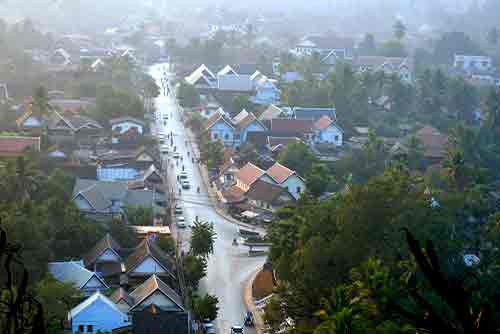
but it was once the capital of the first unified kingdom of Lan Xang, and has been for more than 800 years, with tons of ruins and temples. The entire city is a UNESCO heritage site and has a great atmosphere.
1. Kuang Si Falls in Luang Prabang
Located in Luang Prabang, Laos, the Kuang Si Falls is a breathtaking natural wonder. These stunning waterfalls are renowned for their turquoise blue waters and cascading tiers, making them a popular destination for both locals and tourists alike.
The falls are situated in the midst of lush greenery, creating a picturesque setting that is perfect for nature lovers and photographers.The main waterfall is approximately 60 meters high and forms a series of pools and smaller cascades as it flows downstream.
Visitors can take a refreshing dip in the crystal-clear pools, which are known for their cool and invigorating waters. The pools are surrounded by dense forests, providing a tranquil and serene atmosphere for relaxation and rejuvenation.
Several hiking trails lead to the top of the falls and offer panoramic views of the surrounding landscape for those seeking adventure. Along the way, you may encounter various species of flora and fauna, adding to the overall charm of the experience.
To enhance the visit, there is also a bear sanctuary located near the falls. The sanctuary is home to rescued Asiatic black bears, providing a unique opportunity to observe these magnificent creatures up close while supporting their conservation efforts.
Overall, Kuang Si Falls is a must-visit destination for anyone traveling to Laos. Its natural beauty, refreshing waters, and surrounding attractions make it a truly unforgettable experience for all who visit.
2. Wat Xiengthong
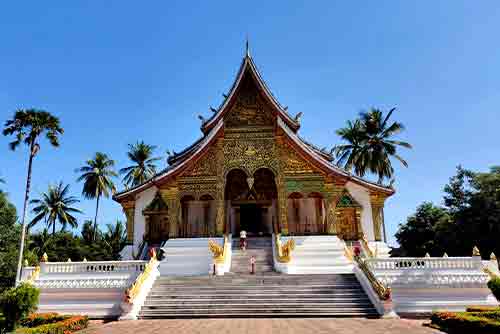
Wat Xieng Thong, which means ‘Temple of the Golden City’, was built in the 14th century and is Luang Prabang‘s signature temple.
In the peninsula-shaped Old Town of Luang Prabang, which is also known as the City of Temples and is dotted with temples of all kinds, Wat Xieng Thong is located at the eastern end of the peninsula, away from the Royal Palace, but it was built by King Setthathirath of the Lansang Kingdom in 1559 near the confluence of the Mekong and Nam Khan rivers and served as the royal temple for many royal ceremonies, including coronations, until the fall of the monarchy in 1975.
The temple is characterized by a traditional form of architecture following the local style, with delicate and artistic details such as roof ornaments and mosaics on the walls, and has survived numerous invasions to remain intact.
The most impressive is the “Tree of Life” wall mosaic, which features artifacts such as the kiln of the royal procession, while the mosaics outside the building are made up of multicolored glass pieces that create dramatic light reflections.
The temple has played a central role in local Buddhist events since the communist era and is one of Luang Prabang’s most iconic structures.
Laos : Travel Information And Tips
3. Mount Phousi
Mount Phousi, also known as Phousi Hill, is a prominent landmark located in the heart of Luang Prabang, Laos. Rising approximately 100 meters above the city, it offers breathtaking panoramic views of the surrounding landscape. The hill is considered sacred by the locals and is home to several Buddhist shrines and temples.
To reach the summit of Mount Phousi, visitors can follow a well-marked trail that winds its way up the hill. Along the way, they can explore various points of interest, including ornate statues, colorful prayer flags, and small caves adorned with Buddha images.
At the summit, a golden stupa, known as That Chomsi, stands tall and serves as a symbol of peace and prosperity. It is a popular spot for both locals and tourists to gather and enjoy the stunning sunset views over the Mekong River and the city of Luang Prabang.
It is believed to have been a strategic military outpost during ancient times, providing a vantage point for monitoring the surrounding areas.
Today, Mount Phousi remains a must-visit attraction for travelers seeking a memorable experience in Luang Prabang. Whether you’re interested in spirituality, history, or simply enjoying breathtaking views, a visit to Mount Phousi is sure to leave a lasting impression.
4. Luang Prabang Old Town
Luang Prabang Old Town Palace, also known as the Royal Palace Museum, is a significant historical landmark located in the heart of Luang Prabang, Laos. This magnificent palace was originally built in 1904 during the French colonial era and served as the residence of the Laotian royal family until the monarchy was abolished in 1975.
The palace showcases a beautiful blend of traditional Lao and French architectural styles, reflecting the country’s rich cultural heritage. Its intricate design, adorned with golden motifs and intricate woodwork, is a testament to the craftsmanship of the era.
Today, the Luang Prabang Old Town Palace stands as a museum, offering visitors a glimpse into the royal history of Laos.
Surrounded by lush gardens and overlooking the picturesque Mekong River, the palace offers a serene and tranquil atmosphere. Visitors can take a leisurely stroll through the palace grounds, enjoying the well-manicured gardens and the peaceful ambiance.
In addition to its historical significance, the Luang Prabang Old Town Palace is also recognized as a UNESCO World Heritage Site. Its preservation and restoration efforts have ensured that future generations can appreciate and learn from Laos’ royal legacy.
A visit to Luang Prabang Old Town Palace is a must for history enthusiasts and those seeking to immerse themselves in the rich cultural heritage of Laos. It provides a unique opportunity to step back in time and experience the grandeur of the Laotian monarchy.
5. Haw Kham Royal Palace
The Haw Kham Royal Palace, also known as the Royal Palace Museum, is a significant historical landmark located in Luang Prabang, Laos. It was originally built in 1904 during the French colonial era as the residence of the royal family. The palace showcases a beautiful blend of traditional Lao and French architectural styles.
The Haw Kham Royal Palace served as the official residence of the Laotian monarchy until the communist revolution in 1975. After the revolution, the palace was converted into a museum to preserve and exhibit the rich cultural heritage of Laos.
Visitors to the Haw Kham Royal Palace can explore the various rooms and halls that were once used by the royal family. The museum houses a remarkable collection of royal artifacts, including intricate gold and silver ornaments, royal regalia, ancient textiles, and religious artifacts.
One of the highlights of the museum is the Pha Bang, a revered Buddha image that is considered the palladium of Laos. This sacred statue is believed to bring prosperity and good fortune to the country. It is carefully preserved and displayed in a dedicated room within the palace. The Haw Kham Royal Palace is surrounded by well-manicured gardens, adding to its serene and picturesque ambiance.
Overall, the Haw Kham Royal Palace is a must-visit destination for those interested in experiencing the rich cultural heritage of Laos. It offers a fascinating glimpse into the lives of the Laotian monarchy and provides a deeper understanding of the country’s history and traditions.